The Role of Counter-Surveillance in Executive Protection Operations

One of the most underestimated skills of an executive protection agent is counter-surveillance tactics. This specific topic is either being touched on for a brief time during EP courses or not covered at all. Within the functions of protective operations, counter-surveillance plays a pivotal role in mitigating risks and ensuring the effectiveness of protection strategies.

When most people think about bodyguards, they think about the people who are around a celebrity or an important public figure. They do not know that executive protection is more than just protective agents surrounding a VIP. It involves a comprehensive approach to security, involving thorough planning, risk and threat assessments, intelligence gathering, comprehensive advance work, and strategic responses. While visible security measures (such as bodyguards) are important, the covert and preemptive aspects are equally critical to a successful protection operation. Counter-surveillance is the art and science of identifying and countering threats before they manifest, making it an indispensable tool in the executive protection toolbox. It is such an important area that it needs to be properly studied.

Photo by Burak The Weekender on Pexels.com

Why are specific people at risk for surveillance? The objective of surveillance is to monitor, record, and analyze the movements and activities of individuals or groups to gather information. Criminals use surveillance to discover what your weaknesses are to do you harm (especially terrorist organizations), and paparazzi use it to find your patterns so they can predict your next move and where to find you next. Some other reasons individuals or entities may be surveilled is to gather business intelligence or other personal motives such as private investigations, often relating to legal matters or personal disputes. An all-new group of people who use surveillance against their victims are sex predators and stalkers. The intention of these individuals is obviously for kidnapping, trafficking, and harm to their victims.

Understandably, there are many risks associated with being followed or monitored, such as:

  • Compromised Personal Safety: Surveillance can be a precursor to more direct threats such as physical attacks, kidnapping, or ambushes.
  • Privacy Invasion: Persistent surveillance can lead to significant invasions of privacy, affecting the mental well-being and sense of security of the clients and their family members.
  • Information Leakage: Surveillance can result in sensitive or confidential information being intercepted, posing risks to both personal and corporate security.
  • Behavioral Alteration: Knowing one is being watched can lead to altered behavior, which can impact the client’s performance and decision-making.

What is Counter-Surveillance? Counter-surveillance is the proactive practice of monitoring and countering potential threats, hostile surveillance, or intelligence-gathering activities aimed at the protected individual or group. It involves the use of advanced techniques, technology, and trained personnel to detect, deter, and neutralize potential threats while avoiding confrontation.

And it can be crucial for the following reasons:

  • Early Threat Detection: One of the primary advantages of counter surveillance is the ability to detect threats in their early stages. Hostile individuals or groups often conduct surveillance to gather information, assess vulnerabilities, and plan attacks. In his book “I was Born on November 17”, Dimitris Koufontinas, one of the most notorious domestic terrorists in Greece and the leader of the infamous November 17 terrorist organization, (responsible for the assassination of CIA Chief of Station Richard Welch and 4 other Americans as well as the killing of at least 19 other individuals), explained in detail the tactics of how the terrorist organization would conduct surveillance on their targets. A very educational read for those interested in learning from the adversary. In such events, effective counter-surveillance can intercept early surveillance attempts by raising awareness and allowing security teams to intervene before a threat materializes.
  • Reducing Vulnerabilities: Counter surveillance helps protect individuals by identifying weaknesses in their security protocols. By pinpointing potential vulnerabilities or patterns that could be exploited by malicious actors, protective measures can be adjusted or strengthened to minimize risk. Weaknesses can be found in the biggest and most sophisticated protective operation, no one is immune.
  • Preventing Ambushes or Attacks: Surveillance is often a precursor to ambushes or attacks. Counter surveillance can identify suspicious individuals or activities that may indicate imminent danger, allowing security teams to take proactive measures to prevent an attack.
  • Enhanced Situational Awareness: Counter surveillance teams provide real-time intelligence, which enhances the situational awareness of executive protection personnel. This enables them to make informed decisions, adjust routes, and respond effectively to changing circumstances.
  • Protecting Privacy: Counter surveillance also plays a role in protecting the privacy of high-profile individuals. By identifying and deterring paparazzi or overzealous fans, it allows clients to maintain a degree of personal space and control over their lives. In one of our previous podcasts with a retired famous paparazzi, he admitted that he knew where to find celebrities because they had a routine life and used the same restaurants or bars over and over again.

Photo by Aleksandar Pasaric on Pexels.com

Things to consider during counter-surveillance operations. A good counter-surveillance agent is the one who understands the tactics of surveillance practices. As we mentioned earlier, surveillance and counter-surveillance are a very specialized area within protective operations and one needs to dedicate a good amount of specialized training to it. Something to consider for those EP agents who want to learn more.

Before diving into counter-surveillance, it’s essential to grasp the concept of surveillance itself. Learn from your adversary. In order to be able to counter an act, you must know how to perform the act. Previously, we explained who may be conducting surveillance on you or your client and why. Below, we will analyze the methods of surveillance, the various methods used, different forms a surveillance can take, and commonly used techniques. If you know how your adversary operates, you will be more skilled in anticipating their moves, identifying surveillance, and mitigate risks.

Methods of Surveillance: Surveillance methods vary greatly depending on the objectives and the technology available. Common methods include:

  • Physical Surveillance: Involves the physical observation of a person or place. It can be either stationery (watching from a fixed position) or mobile (following the target).
  • Technical Surveillance: Utilizes electronic devices like cameras, microphones, GPS trackers, and wiretapping equipment to monitor and record activities.
  • Cyber Surveillance: Involves monitoring online activities, including email communications, social media interactions, and browsing history.
  • Aerial Surveillance: Uses drones or other aircraft to observe from above.
  • Agent-Based Surveillance: Involves human intelligence where individuals gather information through personal interaction or infiltration into a group.

Tools Used in Surveillance: Surveillance tools range from simple binoculars to sophisticated electronic equipment:

  • Optical Surveillance Tools: Binoculars, telescopes, and cameras.
  • Audio Surveillance Tools: Listening devices, voice recorders, and wiretaps.
  • Electronic Surveillance Tools: GPS trackers, motion sensors, and digital monitoring software.
  • Data Surveillance Tools: Software for monitoring internet activity, including email interception and network monitoring.

Forms Surveillance Can Take: Surveillance can take several forms, including:

  • Covert Surveillance: Conducted without knowledge of the subject.
  • Overt Surveillance: Visible and obvious monitoring, often used as a deterrent.
  • Personal Surveillance: Focused on individuals or small groups.
  • Mass Surveillance: Broad monitoring, often of large populations or areas.

Common Techniques Used in Surveillance: Surveillance techniques will depend on the purpose and context.

  • Tail Surveillance or “Tailing”: Following a subject discreetly.
  • Stationary Surveillance: Observing from a fixed point.
  • Electronic Eavesdropping: Listening in on conversations or communications.
  • Cyber Monitoring: Tracking online activities and digital footprints.
  • Pattern Analysis: Studying routines and behaviors for anomalies.

Counter-surveillance 101

Counter-surveillance tactics are critical for executive protection teams to ensure the safety and security of high-profile individuals. These tactics help identify and mitigate potential threats and hostile surveillance. One of the most important aspects of counter-surveillance is being able to identify suspicious people/behaviors. For this, we will use the U.S. government acronym TEDD which illustrates the principles one can use to identify surveillance. TEDD stands for Time – Environment – Distance – Demeanor. In other words, if a person sees someone repeatedly over a particular timeframe, in different environments and/or at distances not proximal to each other, or one who displays a poor demeanor, then it can be assumed he or she is under surveillance.

When an individual becomes the specific target of a planned attack, they may find themselves subjected to various elements of surveillance, including time, environment, and distance (TEDD). However, if the focus of the threat is directed towards a location, such as a subway or a government facility where the individual works, the primary element to be aware of is demeanor. Demeanor, in this context, refers to a person’s behavior that appears unusual or unnatural, or his presence is unjustified. This behavior can range from overtly suspicious actions, such as loitering without a clear purpose or reason for being in a particular place, to more subtle signs that are almost undetectable to an observer. Sometimes, it’s a gut feeling or a sense that something isn’t right, rather than something visibly obvious.

Signs of poor demeanor may include:

  • Mirroring: Acting in sync with the target’s movements, indicating a potential attempt to monitor or follow them.
  • Communication: Making efforts to communicate or coordinate with others when the target moves, possibly signaling collaboration within a surveillance team.
  • Avoiding Eye Contact: Refraining from making eye contact with the target, potentially to avoid drawing attention or revealing intent.
  • Unnatural Behavior: Signs of emotional stress, such as nervousness, excessive enthusiasm, or noticeable sweating.
  • Abrupt Movements: Making sudden turns, stops, or changes in direction that seem out of place or unnatural.
  • Extended Presence: A person who remains in a specific area for an unusually long period without an apparent reason.
  • Unjustified Contact: Repeated or unplanned interactions with a specific person without a clear explanation.
  • Unjustified Presence: A person whose presence in a particular location or at a specific time is not easily justified or explained.
  • Pattern Repetition: Multiple individuals displaying similar behaviors or signs.
  • Standing Out: Someone who noticeably differs from the surrounding crowd in some way.
  • Intuition: Trusting your instincts when you get a bad feeling or sense that something is amiss.
  • Observing Hands: Pay attention to whether individuals are holding anything that could be used as a weapon or a tool for kidnapping.
  • Covert Communication: Monitoring for signs of communication, such as texting, hand signals, nods, repeated eye contact, or any unusual interactions when you move.


In the context of terrorism, displaying a poor demeanor can also involve:

  • Inappropriate Attire: Wearing clothing that is unsuitable for the weather, like donning heavy coats in the summertime, or exhibiting unusual bulges or wires under clothing that might suggest concealed weapons or devices.
  • Physical Discomfort: Showing signs of nervousness, such as excessive sweating, mumbling, or fidgeting.
  • Avoiding Security: Deliberately attempting to evade security personnel or behaving in a manner that raises suspicions when encountering security measures.
  • Unusual Baggage: A person carrying bags, suitcases, or luggage that appears out of place or disproportionate to the situation.
  • In addition, according to some reports, suicide bombers often exhibit an intense stare as they approach the final stages of their mission. They seem to have tunnel vision, being able to focus only on their intended purpose or target. They may also be under the influence of drugs.


We have to highlight that poor demeanor encompasses a wide range of behaviors and signs, from the overtly conspicuous to the subtly unusual. Being vigilant and aware of these indicators can help individuals recognize potential threats and take appropriate actions to ensure their safety in various situations, especially in environments where security risks are a concern.
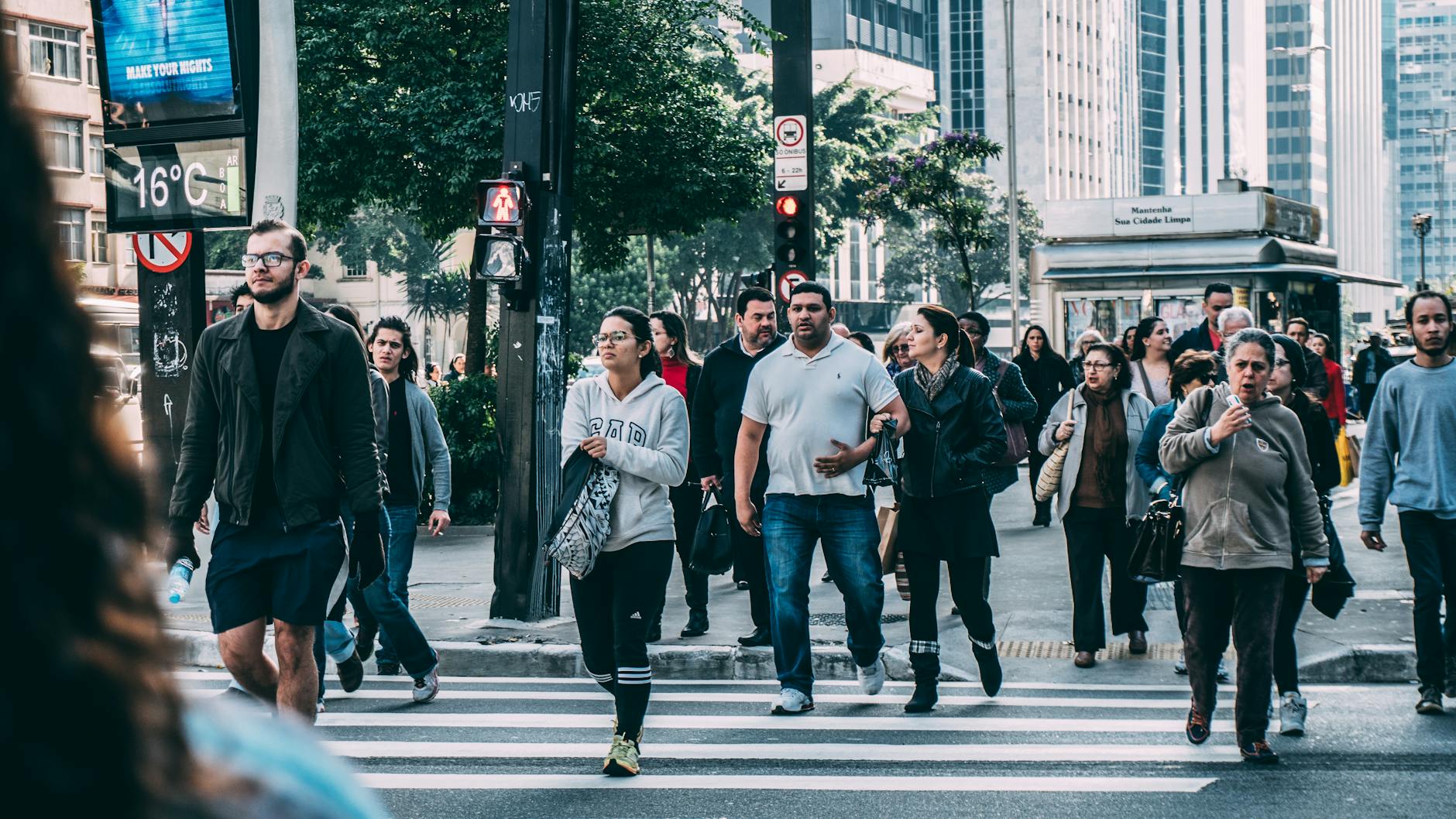
Photo by Kaique Rocha on Pexels.com

Recognizing signs of being followed is critical for executive protection teams. One should be on the lookout for:

  • Repetition in Appearances: Notice repeated appearances of the same vehicle or person(s) in different locations or over time.
  • Unusual Patterns: Highlighting patterns such as a person on foot or in a vehicle making the same turns, stopping when you stop, or lingering in the same areas.

-Using your peripheral vision, mirrors, and other reflective surfaces (like shop windows or parked cars) for better observation.

-Enter buildings or make sudden, unexpected turns to test if a follower is maintaining their pursuit.

-While driving, change speeds, make sudden, unexpected turns to test if a follower is maintaining their pursuit. Make a stop at a safe location to observe if any vehicle stops nearby or behaves suspiciously. When you can, perform a legal and safe U-turn to see if the following vehicle replicates the maneuver. Drive a route in reverse or returning to a previous location to check for surveillance.


Counter-surveillance tactics for executive protection teams:

  • Behavior Analysis: EP team members have to learn how to observe the behavior of people in the vicinity of the protected individual. Look for signs of unusual or suspicious conduct, such as individuals who appear to be loitering, repeatedly changing their positions, taking a keen interest in the protected person, or other signs we mentioned earlier.
  • Varying Routes and Schedules: In our world, we say routine can be as deadly as a bullet, and there is a truth to it. EP teams must avoid predictable patterns by varying the routes and schedules of the protected individual. This makes it more challenging for potential threats to plan and execute an attack. And an additional challenge is that many clients become quite used to their patterns and it takes patience and understanding to slowly convince them that the day-to-day changes in routes or patterns are a good thing and not a bother or a hinderance.
  • Discreet and Safe Communication: It is disappointing to say that we have many examples of EP agents who do not practice secure and discreet communication methods, adding more risks to their client’s safety. Always maintain OPSEC, use secure communication apps (Sorry, but WhatsApp is NOT one of them), and be careful what you post on social media.
  • Counter-Observation: The majority of EP operations are done by small teams. Not all clients or teams have those extra bodies to deploy for their own counter-surveillance team. That is why it is important for the team members to be extra vigilant and keep an eye on individuals who may be surveilling the protected individual.
  • Technical Surveillance Detection: Use specialized equipment to detect electronic surveillance devices, such as hidden cameras, bugs, or GPS trackers. In addition, educate yourself and seek extra training in how to sweep vehicles, accommodations, and meeting locations for listening devices or threats.
  • Situational Awareness: Promote constant situational awareness among team members. Encourage them to be vigilant and observant of their surroundings, including people, vehicles, and anomalies.
  • Route Reconnaissance: Conduct advance reconnaissance of routes and locations where the protected individual will visit. Identify potential chokepoints, escape routes, and secure areas.
  • Spotting Surveillance Teams: Train team members to recognize signs of hostile surveillance teams. Look for vehicles or individuals that appear out of place, conduct frequent U-turns, or employ evasive driving tactics.
  • Emergency Response Protocols: Develop and rehearse with your team emergency response protocols to address situations where hostile surveillance is identified. These protocols should include contacting law enforcement, documentation, team briefings, and taking appropriate actions to ensure the principal’s safety.
  • Counter-Intelligence Measures: Be aware of potential leaks of sensitive information within the team, household personnel, or from external sources. Implement counter-intelligence measures to protect operational details.
  • Adaptive Tactics: Be always flexible and adapt tactics based on the specific circumstances and threat environment. Threats may change, so the counter-surveillance approach should evolve accordingly.

Do not forget the Human Element!

The human element is irreplaceable in counter-surveillance operations. Skilled and trained personnel with a deep understanding of human behavior and surveillance techniques are the linchpin of a successful counter-surveillance program. Their ability to blend in, remain discreet, and adapt to evolving threats is invaluable. Nothing can replace real-time-on-the ground intelligence.

For executive protection teams, counter surveillance is not really an option, it is an important component for protecting high-profile individuals, security team members and mitigating potential risks. By providing early threat detection, reducing vulnerabilities, preventing ambushes, enhancing situational awareness, and protecting privacy, counter surveillance serves as a vital pillar of executive protection operations.

#ExecutiveProtection #CounterSurveillance #SecurityTactics #RiskManagement

#ProtectiveOperations #SurveillanceCountermeasures #PersonalSafety #ThreatDetection

#VIPSecurity #ProtectionStrategies

Event Security for High Profile Individuals

In the last months, we have seen many videos from what one may label a ‘failed’ security operation where public figures were attacked or embarrassed during their public appearance at an event. Protecting high-profile individuals during an event or public speech requires very careful and detailed planning. Despite the big challenges for the security team, public events are essential for high-profile individuals, especially for politicians, celebrities, or business leaders who need to engage with their fans, audience, or electorate.

Event Security is a uniquely separate topic, and one needs to spend quite some time studying it and implementing all the necessary steps. Unfortunately, most EP schools do not teach it, and some invest very little time in it considering the fact that the key to Event Security is to manage and mitigate the risks with thorough planning, intelligence, and coordination of multiple parties involved.

The protective measures for any event will depend on the event size (private, public, big, small), event purpose (political, cultural, educational, etc.), threat levels, speakers’ public visibility, and value to their organization. (what is the value of each speaker if they get harmed or embarrassed?)

Understanding the complexities involved in securing high-profile individuals during public events and why such events can pose several inherent risks for high-profile individuals.

Visibility: Public events mean the high-profile person is largely exposed, making it easier for potential attackers to locate, approach, or target them. When your clients are on the platform (Behind the podium) or anywhere on the stage, they are vulnerable targets.

Predictability: Public events are almost always scheduled and provide potential attackers with the time to plan their actions. Even with meticulous security planning, knowing the timing and location of an event in advance gives adversaries a significant advantage.

Crowd Control and Media Challenges: Large gatherings are inherently harder to control. Even with barriers and security personnel, managing a crowd can be unpredictable. Someone with malicious intent could potentially blend in or infiltrate as the event support help or basic crowd control, making detection harder and giving them very proximal access. The media coverage that accompanies many public events involving high-profile individuals can be a double-edged sword. While it spreads the message of the event from a marketing aspect, it also broadcasts the vulnerabilities and security arrangements in real time.

Multiple Access Points: Venues for public events often have multiple entry and exit points, which can be difficult to secure completely.

Multiple Parties Involved: Event organization involves the coordination of multiple parties, vendors, venue management, event organizers, and even different security entities. Your client is not the only one with a security detail, most of the time you will find the presence of law enforcement, uniformed guards, and Executive Protection teams for multiple public figures who are present. More involved parties make the coordination harder as communication or logistical breakdowns among these parties can create security vulnerabilities and confusion.

Sniper and Active Shooter Threats: Open-air events or events with vast, unobscured perimeters can pose sniper threats, especially if there are high vantage points nearby. An active shooter can be another threat for events since one can find many people who share the same ideas, and goals (political, social, etc.) gathered in the same place.

Terrorist Attack and Bomb Threats: Crowded areas are high-impact targets for those wanting to cause mass harm. This makes guests and staff screening, detection of explosives (K9 is best), and managing evacuation protocols critically important.

Public Sentiment: High-profile individuals, especially politicians or controversial figures, can evoke strong emotions. Public events can attract not just fans and supporters, but also protestors or individuals with negative or hostile intentions.

Reliance on Local Infrastructure: High-profile individuals and their security teams often have to rely on local infrastructure, which they might not be familiar with. This includes clearly understanding local threats, coordination and relying on local law enforcement, and navigating unknown, or lesser-known, venues. How many times have you found yourself in an event where if it was for you, you would have never chosen that place from a security standpoint? The thing to always remember is that security teams, for the most part, have very little or no say in the venues and must work with and do their best to function with and plan around, the circumstances, locations, and other plans made by individuals who do not have security protocols in mind.

Basic Considerations for Securing Your Client during Public Events:

Photo by Werner Pfennig on Pexels.com

Advance Planning & Risk Assessment: Conduct a thorough risk assessment of the venue, identifying potential threats and vulnerabilities. Scout the location beforehand. Look for multiple entry and exit points, chokepoints, and rooms that can be used as safe rooms. Assess local threat intelligence and political climate.

Physical Security: If you are responsible for the event security, establish a secure perimeter around the venue with barricades or barriers. Control access points with security personnel, metal detectors, and possibly explosive-detection canine units. Inspect the stage/platform and immediate surroundings for potential threats and listening devices. Ensure that there’s an emergency evacuation route and a safe room or fallback position. If you have no control over the event security planning and your client is invited as a speaker/guest then consider gathering as much information you can for the established security measures, evacuation plans, and other speakers/guests (your client may be at risk because he is present in an event where another speaker who is targeted is present). Now is your chance to put your soft skills into action and make friends with event organizers, event security, and law enforcement.

The Podium: In public speeches, when your client is on the podium, he is the perfect target, all lights and attention are on him. The podiums are usually lightweight and small. If the threat level is high, you should consider placing armored plates for better ballistic protection. Consult your client to avoid unnecessary movements from the podium. Consider placing your own protective agents as close as possible to the podium and in crucial spots where they can react if needed be. Establish a plan for reaction and evacuation, rehearse it with your team, and make sure your client is briefed on it as well.

Seating Arrangements: If possible, consider having the client seating in a location that is lower than the security team so that he is less visible. Bear in mind that depending on how many high-profile speakers/guests will be present, the number of seats for the security team will be very limited. On many occasions, you won’t be able to sit next to or close to your client. As all the spots are reserved for guests only. The ideal seating plan would be half-moon (semicircular) shaped with the front row being lower than the back. When the threat level is high, serious consideration should be given to armoring the chair and the speaking podium with armored plates. If possible, arrange to have known personnel, to you and your client, seated next to or close to him.

The Stage: If you are the one responsible for the event security, consider keeping a good distance from the stage to the first row of seats of at least 7-8 meters. In this area, only security personnel or individuals accompanied by security team members should move. The first row of seats should be empty to act as a barrier to anyone from the crowd wanting to approach the stage. The second row should be for individuals who are speakers. When these individuals would need to go on stage, only half of the seats should be reserved so that they approach from one side and return to their row from the other. This way, the front of the stage will never be filled with people which someone could use as cover for an attack. The security team members should be positioned around the guests to have a full visual check of the audience. They should be able to intervene anywhere throughout, and no one should be able to get near the stage unaccompanied.

Personnel: If you are responsible for the event’s security, deploy both uniformed and plainclothes security personnel who can blend in with your guests. Screen all the vendors, catering, and anyone who has access and a presence at the event. Consider having an emergency medical team on standby.

Communication: Establish a clear communication plan among all security teams. Designate codewords for specific emergencies, code names, use encrypted radios, and have a backup communication method.

Surveillance & Counter-surveillance: Use CCTV to monitor the crowd and surroundings. Deploy undercover agents in the crowd for counter-surveillance and to identify suspicious behavior. Each report should be immediately evaluated for relevance and threat level.

Vehicle Security: The driver always stays in the vehicle. Plan multiple egress routes from the location to account for different scenarios.

Screening & Access Control: Ensure that everyone entering the venue undergoes thorough screening. Control VIP areas and ensure only authorized personnel have access. Use a guest list or invitation-only system if possible.

Public Interaction: If your client plans to interact with the audience or media, pre-plan your team’s positions and manage the crowd accordingly. Watch out for anything/anyone that stands out as unusual and always watch the hands of those close to your client. Are they holding something that can harm or embarrass him? Be prepared to extract your client swiftly in the event of a disturbance. Hands, hands, hands…And scan your zone of responsibility and scan again.

Intelligence & Coordination: Do your intelligence gathering and evaluation. Monitor social media for any potential threats or discussions that might indicate planned disruptions. Digital forensics can also play a role in pre-event threat assessment. Liaise with local law enforcement and potentially federal agencies (depending on who your client is, on the country and threat level). Gather intelligence on any known threats or groups that may target your client, or other speakers at the event.

Case Studies: Highlight previous incidents involving security breaches or attacks on high-profile individuals during public events. Discuss what went wrong and the lessons learned from each incident.

Utilize Technology: This includes surveillance drones, facial recognition systems, biometric access controls, and AI-driven threat detection systems.

Liaison with Other Entities: Collaboration with other guests’ security teams, agencies, and private security firms can provide additional resources and intelligence. Highlight the importance of sharing information and working in tandem.

Psychological Profiling: Make sure your team has a good understanding of crowd psychology and potential attacker profiles. This can help in preempting potential threats. Using COVPRO agents in the crowd will always give a significant advantage when providing a proactive response.

After-Action Reviews: After every event, conduct a debriefing session. Discuss what went well, what could be improved, and any potential threats that were identified. This helps in refining strategies for future events.

Legal and Ethical Considerations: Discuss the balance between ensuring security and respecting individual rights. In many jurisdictions, there are legal limitations on what security personnel can do, especially concerning personal searches, data collection, and surveillance.

Remember, during events, the goal is to have multiple layers of security so that if any one layer fails, another can immediately respond. The most effective protection details work quietly in the background, providing a safe environment while being as unobtrusive as possible.

Do you want to learn more about Event Security and our specialized courses? Contact Us Today!

#eventsecurity #EventSecurityTips #HighProfileProtection #PublicAppearanceSafety #CelebritySecurityTips #PublicEventsProtectionStrategies #BusinessLeaderSafety #SecurePublicEngagements #EventRiskManagement #PublicEventsSecurityRisks #ProtectiveLayersForVIPs #LeMareschalSecurity #EventSecurityTraining #SecurityMasterclasses

Protective and Intelligence Solutions for Individuals, Families, and Corporations

In a world where security threats are increasingly diverse and unpredictable, the need for comprehensive and tailored security solutions has never been more critical. At LeMareschal, we understand this need and have dedicated ourselves to providing top-tier personal security, family security, corporate security, and security consulting services to our clients.

Personal Security: Protecting What Matters Most

Personal security is not just about physical safety; it’s about peace of mind. Whether you’re a public figure, an executive, or an individual in need of protection, our team of highly trained professionals is ready to ensure your safety. We specialize in risk assessment, threat mitigation, and crisis management, offering a holistic approach to personal security that is both proactive and reactive.

Photo by Andrea Piacquadio on Pexels.com

Family Security: Safeguarding Your Loved Ones

At LeMareschal, we understand that nothing is more important than the safety of your family. Our family security services are designed to provide comprehensive protection for your loved ones, whether at home or on the move. We offer personalized security plans, taking into account your family’s unique lifestyle and needs, to ensure their safety and peace of mind at all times. Our trained male and female bodyguards can protect your young children or teenagers. Trust LeMareschal to keep your family safe, because your family’s security is our highest priority.

Corporate Security: Protecting Your Business Assets

In the complex and dynamic world of business, security risks can emerge from any direction. At LeMareschal, we offer robust corporate security solutions designed to safeguard your organization’s people, assets, and reputation. From risk assessment and crisis management to physical security and cybersecurity, our comprehensive approach ensures that your business is protected from all potential threats. Trust LeMareschal to fortify your corporate security, because the safety and continuity of your business is our mission.

Photo by Pavel Danilyuk on Pexels.com

The LeMareschal Difference

What sets our company apart in the crowded security services market? It’s our commitment to excellence, our comprehensive approach to security, and our team of seasoned professionals. Our team brings a wealth of experience and expertise to the table, ensuring that our clients receive the highest level of service. At LeMareschal we understand that each client is unique, with specific needs, wants, and concerns. That’s why we offer bespoke security solutions, tailored to the individual needs of each client. Whether you require personal or family protection, corporate security, or security consulting services, you can trust LeMareschal to deliver.

In an unpredictable world, LeMareschal stands as a beacon of security and reliability. Contact us today to learn more about how we can help enhance your security.

Russian Oligarchs Keep Getting In Troubles by Instagram Selfies

In our latest interview with expert Nick Barreiro, Chief Forensic Analyst of Principle Forensics, we discussed the security risks from any/all social media platform postings and how someone can obtain critical information from your pictures. If you haven’t watched the interview yet, please find it below

According to Vice’s latest article, authorities have been following Instagram profiles of the women related to, or involved with, Russian oligarchs to obtain information about them, their holdings, accounts, and locate assets to seize/freeze by merely identifying and following the weakest link who posts the most. These women who act like ”influencers” or social media celebrities are looking for publicity, but they now represent a significant threat to the security of the individuals they’re around and expose them to unwanted scrutiny. ”Oligarchs themselves rarely use Instagram to accidentally crack open a window into their high living. Rather, it’s the people partying with them: A stepdaughter, an ex-wife, or in the least one infamous case, an escort.” Read the full article here.

Social Media Investigations and Monitoring for Risk Mitigation Purposes

The use of social media and the way it affects our lives and businesses have brought a new challenge to the security industry and the protective team’s responsibility. It gives the entire world the ability to look into people’s lives with the mere push of a button. Scandals are created, secrets exposed, and lives ruined. In the case of personal security, social media can be used in the advancement of a protective detail; however, one must know how to utilize it properly. Today, we will talk about Social Media Investigations and Monitoring. For those who are not aware of the term, as we utilize it in protection circles, Social Media Investigation and Monitoring is the process by which you can identify what is being said about your clients, a brand they represent, or the corporations with which they are involved and any threats or dangers that may exist in relation to those aspects.

As we sift through different social media platforms and online channels, we must then determine if what is being said has any significance regarding your clients’ reputation, persona, and safety and if there is the need to mitigate any risks. In other words, it’s like setting up an online, social media “net”. This process then helps you discover everything that is being said, written about, or portrayed on social media and determine its relevance to your clients. You can gather information about the ‘’public opinion’’ surrounding your clients, about people or entities who are angry with them for one reason or the other, people who are obsessed with them, or people who are making online threats. SOCMINT or Social Media Intelligence (not to be confused with OSINT) has seen a huge rise in necessity due to the use of social media and a competent protective detail needs to always be informed and social media investigations and monitoring are a huge part of this process. 

Now, let’s see some examples of how social media investigations and monitoring applies in protective services. Let’s say one of the people you are protecting belongs to a large pharmaceutical company and they decided to raise the price of a specific drug, thus affecting the lives and wellbeing of thousands of people. Perhaps another client is involved in a financial institution that quite suddenly makes a significant decision that affects people’s lifetime savings and pensions. You can imagine that there will be a significant number of people who become very angry, and some may want to harm your client. During the recent pandemic, there were a number of “anti-vaxx” groups that were quite vocal and utilized Facebook as one of their many platforms to accomplish their goals. Another example would be the need to discover if there is someone using your client’s name or company to scam others and commit crimes.

We are sure that many of you today are aware of the infamous ‘’Tinder Swindler’’, Shimon Yehuda Hayut, who legally changed his name to Simon Leviev to pretend to be the son of the billionaire Lev Leviev and used his name and company logos to scam people. Although his actions were known since 2017, it was only after the airing of the Netflix documentary in 2022 that the Leviev family found out and filed a lawsuit against Hayut for falsely portraying himself as the son of Lev Leviev, receiving benefits, and committing crimes.

According to Leviev’s family attorney, Guy Ophir, they will now include anyone who has attempted to make a profit from his scam during the next lawsuit. What we can ask is, as security providers, why didn’t someone from the real Leviev family ever discover this scam artist who was extremely public and active on social media as the ‘’son of Lev Leviev’’? Although the real family members were never part of this fraudulent scheme, and it didn’t appear to affect their safety, it did, however, involve their name/brand in a very public and negative way. In other words, it should have definitely been considered as a threat to their reputation. Other people who were harmed by this scam artist were the businesses who did work with them, and their secondary service providers as well. 

Another interesting case to mention is Elon Musk where he, the actual client, took it upon himself to “solve” the issue and directly contacted the person of interest who had begun posting his private flight details and created the security risk for him and was literally blackmailing him unless the POI was paid. According to media reports “Elon Musk states social-media accounts that track his travel movements are ‘becoming a security issue.” Tail numbers and yacht names of billionaires are increasingly being shared on online platforms and one can track them by having the appropriate app unless significant efforts are made to secure them from the reach of those diligent few. These are some unique specific details that the security team needs to pay close attention to at all times.

Photo by Asad Photo Maldives on Pexels.com

Since Social Media platforms are the way people today communicate with each other, we as security providers must keep in mind that this is not always a positive aspect. Perhaps a person or persons will utilize social media to collectively gather people with their same goal or mission, to get together and plan their next move (Example: protesting outside your client’s house or corporation). In this case, you will want to know what is being said online about the person you protect to determine if there is something of extreme necessity to include in your risk and threat assessment and then take protective measures as well as inform their legal department.

As we have all witnessed too many times, it only takes one well-placed picture or story regarding some alleged activity on the part of your client, and it will go viral quickly, truth or not. Staying one step ahead of this type of “attack” has become a crucial necessity in order to protect your client from embarrassment or exposure. One of the most common issues in recent history is when personnel close to the client i.e., family, staff, vendors, and any other secondary customers post pictures, stories, or opinions and subsequently fail to understand the negative effect these types of communications can and will have on the client’s life, business, and the lives of their loved ones.

Why do you need a Social Media Investigations and Monitoring Strategy when you are a security services provider? To summarize we can say:  

1) To identify new threats. 

2) To discover what information about your client is posted online either by himself, the ones close to him, or his employees and evaluate how these affect his safety. 

3) To evaluate a threat (someone is posting online threats directed at your client).

4) To add to your due diligence.

5) To geolocate a picture or a video, sometimes even audio. 

6) To include any findings in your Risk and Threat Assessment (We can never highlight this enough, social media surveys and investigations are now a critical part of your Risk and Threat Assessments).

7) To find people obsessed with or following your clients (stalkers).

8) To identify hate groups or terrorist organizations that may affect your client.

9) To identify people or businesses your client may or may not want to do business with.

10)To mitigate risks from the information found online about the person you protect (How are the pictures of my client used or tampered with and for what purpose?).

11)To identify if someone is impersonating your client or a family member.

12)To find out if your client’s moves/visits/travels are posted online (Exposing them to others who may be in the same hotel, conference room, restaurant). 

13)To identify workplace violence or insider threat indicators.

14)To find out what is the ‘’public opinion’’ regarding your client (Always keep an eye on what is being said about your client and have a strategy to respond). 

15)To determine if a person or persons are utilizing your client’s name or business name in a malicious or unauthorized manner for their own personal gain. (Claiming associations or partnerships, etc.)

How to perform Social Media Monitoring for security purposes? 

First, let’s clarify one important thing. ‘’Googling it’’ is not enough, nor is it the answer. There are a number of search sites that allow for user input thus watering down or contaminating information and it’s accuracy. For those who are not aware, Social Media Investigations and Monitoring is quite a different department of protective services and quite often falls under Intelligence Analysis and Open-Source Intelligence. It requires unique skills and knowledge. One must clearly understand different social media and research platforms and how to use each one of them (and/or in combination) to obtain information. How you will approach each case is different and certainly depends on who your client is, their business, close relations, and/or their public image. This will directly affect the searches and the resources used and for what purpose. It is vital in our current day and age to include SOCMINT (Social Media Intelligence) in your client’s service proposal, no matter how public the person may or may not be. Hiring ten Executive Protection agents and a Residential Security Team is not enough anymore. SOCMINT services are a vital part of your Risk and Threat Assessments (Dynamic Risk Assessments too) and enable your protective detail to function more efficiently. 

For those who can not provide a certified Social Media Investigator for their clients, follow up with these steps:

1)Understand who your client is, his/her background, the threats, where do they stand in political, social, financial sectors.

2)Be aware of any of the latest changes in your clients’ lifestyle, public opinions, and professional decisions. 

3)Be aware of any of their political and social changes. Watch the news from multiple channels. 

4)Familiarize yourself with all close family, friends, staff, and associates and their respective social media footprints.

5)Set up a social media investigation and monitoring strategy. 

6)Have a good understanding of the Intelligence Cycle (How the intel is being collected, analyzed, disseminated, reviewed, etc.).

7)Have a good understanding of the search tools on different platforms (Facebook, Twitter, Instagram, TikTok, LinkedIn, Tumblr, Reddit, etc.) 

8)Do research on the available search engines and the strengths and limitations each one may have. 

9)Know how to conduct image, video, and audio research and gather intelligence from them.

10)Invest in appropriate platforms for social media investigations and monitoring (Have in mind, NEVER rely on one platform’s result or just platforms’ results. The user/investigator is the main component of a social media investigation). 

11)Download and use appropriate search engine extensions and apps. 

12)Invest time in creating ‘’sock puppets’’ or fake profiles and maintain their persona. Sometimes you may need a profile to have access to different forums or groups without being discovered.

13)Train yourself in link analysis (How to look for connections between people, events, and organizations).

14)Set keyword alerts (In multiple languages in case your client has ties with more than one country).

15)Gather, analyze, evaluate, and report your findings to the appropriate department or leadership.  

Photo by Lisa Fotios on Pexels.com

As the threat landscape changes every day, we as protection providers must be able to adapt and keep ourselves up to date with additional training. Today’s executive protection agent must also be skilled and knowledgeable in investigations, open-source intelligence, protective intelligence, HUMINT, and have an increased understanding of cyber security. Large corporations have already created their own embedded intelligence departments, while others are hiring threat analysts and OSINT investigations from outside security providers. The rise of protective intelligence, and whatever that includes, is here to stay and we are seeing it more and more through the highly increased number of related job postings every day. 

If you are an Executive Protection Agent and want to learn more on how to utilize Social Media Investigations and Monitoring for Risk Mitigation Purposes, reach out to us.

f you are a service provider and want to add Social Media Investigations and Monitoring for Risk Mitigation Purposes on your service list, contact us to learn about our vendor services. 

Chris Grow

AUS Global Special Services Travel Team

Managing Partner LeMareschal LLC

Denida Grow

Founder & CEO

Athena Worldwide 

Nannyguards

Managing Partner LeMareschal LLC